
Things to Do in Siem Reap in October
October weather, activities, events & insider tips
Low Season · Budget Friendly
October Weather in Siem Reap
Long-run averages for October
87°F (30°C)
High Temp
75°F (24°C)
Low Temp
10.2 inches (259 mm)
Rainfall
84%
Humidity
11
Sunny-Day UV
⚠ Flash flooding hits unpaved roads around Tonle Sap and outer temple routes after sustained heavy rain. Low-lying sections of the road to Chong Kneas port and some rural paths can become impassable for hours following a major downpour. Check conditions with your accommodation or tour operator before venturing to outlying sites.
⚠ Dengue mosquito activity peaks in October as standing water collects in rice paddies, temple moats, gutters, and construction sites across Siem Reap. Wear long sleeves. Apply repellent at dawn and dusk when Aedes mosquitoes are most active. Choose accommodation with intact window screens or air conditioning that allows you to sleep with windows sealed.
⚠ Wet laterite and sandstone temple surfaces turn dangerously slippery after rain. The steep stairways at Pre Rup, Phnom Bakheng, and Angkor Wat's central tower develop an algae film in the wet season. It is nearly invisible until your foot slides. Grip-soled shoes are not optional in October. Descending steep temple stairs requires both hands free.
Making the most of October in Siem Reap? Browse tours and activities in Siem Reap on GetYourGuide.
Is October Right for You?
Weigh the advantages and considerations before booking
Advantages
- + Angkor Wat's moat fills completely in October. The temple's five towers reflected in unbroken water at sunrise is likely the single best photograph Siem Reap offers all year. This holds true across the complex. Angkor Thom's moat, the Bayon's reflecting pools, and the barays all reach capacity. The archaeological park becomes something closer to the water-surrounded city its builders intended a thousand years ago.
- + Visitor numbers drop to a fraction of the December through March peak. You can stand inside Ta Prohm's root-strangled corridors or climb Pre Rup's steep sandstone staircase without waiting in a queue. The difference is not marginal. A peak-season morning at Angkor Wat packs several thousand sunrise watchers onto the western lawn. In October, a few dozen is more typical.
- + Accommodation rates across Siem Reap hit their annual floor in October. The same rooms along Sivatha Boulevard or in the boutique cluster near the river that command high-season premiums become quite affordable. Availability opens up even at properties that sell out months ahead for the November-to-February rush.
- + The landscape surrounding the temples transforms entirely. Rice paddies stretching from Siem Reap town toward Tonle Sap flood to an uninterrupted green. Sugar palms stand reflected in sheet water. The jungle canopy around the outer temples grows thick enough to filter the air into something cool and loamy. Siem Reap in October looks nothing like the dusty, brown-field version that dry-season visitors encounter.
Considerations
- − Rainfall averaging 10.2 inches (259 mm) for the month means the rain is not a possibility but a near-certainty on most days. Downpours tend to land in the afternoon. October is unpredictable enough that the occasional all-day soaker can wipe an outdoor itinerary. You need schedule flexibility. Full stop.
- − Humidity sitting at 84% makes sustained temple exploration physically taxing. Climbing Phnom Bakheng's hill or walking the full Angkor Thom circuit in midday heat and moisture leaves even fit travelers drained. The combination of wet stone, steep stairs, and sweat demands real caution on the steeper temple structures.
- − Some unpaved roads to outlying sites and floating village launch points become soft or flooded after heavy rain, occasionally closing access for a day or more. Beng Mealea and Kbal Spean are usually reachable. Certain Tonle Sap embarkation points and countryside cycling routes may require rerouting depending on what the sky did the night before.
Settled on October? Compare hotel prices in Siem Reap for your dates on Trip.com.
Best Activities in October
Top things to do during your visit
Siem Reap in October sits deep in the wet season's final act. The rains that peaked in September, when the city recorded its heaviest monthly downpour of the year, are easing. October still delivers 10.2 inches (259 mm) of rainfall. Most of it comes in concentrated afternoon bursts. They roll in around two or three o'clock with a wall of warm wind and the metallic scent of ozone before the sky cracks open. Mornings tend to hold clear and luminous. The air stays thick with moisture at highs around 87°F (30°C). It cools only slightly to lows near 75°F (24°C) after dark. The effect on the landscape is extraordinary. Laterite temple walls darken to the color of dried blood. Moats and reservoirs run full. The surrounding rice paddies glow an almost implausible green under slate-gray skies. Tonle Sap, the great inland sea that defines the region's ecology, swells to its maximum extent. It floods forests and fishing villages into a watery world that feels closer to the Mekong Delta than to the dusty plains visitors encounter in the dry months. What this means practically is simple. Siem Reap in October belongs to those who like their temples uncrowded and their landscapes saturated. The peak tourist season does not begin until November. The archaeological park sees a fraction of its usual foot traffic. You can stand in front of the main causeway at Angkor Wat with only a handful of other visitors. In January, hundreds jostle for that same position. Restaurants along Pub Street and the quieter lanes off Sivatha Boulevard seat you without a wait. Hotels across Siem Reap negotiate willingly. Guesthouses in the French Quarter, those narrow whitewashed buildings with wooden shutters that smell of sandalwood and floor polish, often run well below capacity. The trade-off is the rain itself. An umbrella, waterproof daypack, and shoes that can handle standing water on unpaved paths are not optional. Tuk-tuk drivers stretch plastic sheeting across the passenger cabin during downpours. The drumming of rain on that tarp while you watch the wet road slide by becomes one of Siem Reap's signature October sounds. The rhythm of the day adapts around the weather. Locals rise early. The smartest visitors follow. The period from sunrise to noon offers the best light, the coolest temperatures, and near-certain dryness for exploring temple complexes. You can also cycle the back roads past stilt houses and sugar palms. Or walk the riverfront promenade where vendors grill skewers of pork over charcoal. The sweet, fatty smoke drifts across the Siem Reap River. By afternoon, the sky piles up into towering cumulonimbus. The first fat drops slap the pavement. The city turns inward. This is the hour for Khmer massage parlors. Or the excellent ceramics studios along the road to the airport. Or a late lunch of fish amok steamed in banana leaf. The coconut cream sauce tastes faintly of galangal and kaffir lime. By evening the storms have passed. The air feels five degrees cooler. The night markets come alive under strung lights. The wet pavement reflects their glow in long ribbons of orange and white.

Siem Reap Angkor Airport Taxis (from Airport to Hotel)
transportThe drive from Siem Reap Angkor International Airport into the city proper takes roughly twenty minutes along a two-lane road lined with tamarind trees. The Siem Reap Angkor Airport Taxis service turns what can be a confusing arrival into a smooth, predetermined transfer. This matters after a late flight when the terminal thins out and unlicensed drivers crowd the exit. Your driver meets you inside the arrivals hall with a name placard. He handles luggage. He delivers you to your hotel door in a clean, air-conditioned sedan. In October, afternoon rains can make road surfaces slick. They reduce visibility along the unlit stretches near the old market district. The peace of mind of a pre-arranged pickup with a driver who knows the route outweighs any attempt to negotiate on the spot.
Eliminates the single most stressful moment of arriving in a new city, the airport exit, and puts you in your hotel lobby within half an hour, luggage dry and itinerary intact.
Insider tip: Book for your arrival flight's scheduled landing time rather than its actual time. Drivers here track incoming flights and adjust without you needing to message them. This matters when your phone may not yet have a local SIM.

Private 3-Days tour at comfortable areas
guided_experienceThe Private 3-Days tour at comfortable areas is built for travelers who want the full scope of Siem Reap's archaeological and rural landscape. They skip the logistical headwork of planning routes between sites that can sit an hour apart on potholed roads. Over three days, a personal guide sequences the major temple clusters. These include the outer circuit, inner circuit, and outlying complexes like Banteay Srei. Its pink sandstone carvings of apsaras and nagas are so fine they look etched rather than carved. The tour includes stops at local villages where families weave silk on wooden looms beneath their stilt houses. The pace is deliberate rather than rushed. The guide calibrates each day's distance to your energy and the weather. He slots in a long midday break during the hours when the sun is harshest. The stone corridors of the temples radiate stored heat then.
Three days with a private guide lets you absorb the sheer scale of the Angkor complex, over a thousand temples spread across more than 150 square miles, at a pace that rewards attention rather than punishing it.
Insider tip: Ask your guide to include a sunrise start at Srah Srang reservoir on day two instead of repeating the Angkor Wat sunrise. The reflection pool is virtually empty at dawn. The water stays still as glass. The light across the stone lion guardians is notable.
This month: October's lower visitor numbers mean your guide can spend longer at popular bas-relief galleries, the Churning of the Ocean of Milk at Angkor Wat, without being pushed along by crowd pressure.

Siem Reap: One-Way Transfer from Hotel to Airport (SAI)
otherThe Siem Reap: One-Way Transfer from Hotel to Airport completes the logistical bracket that the arrival taxi opens. A driver collects you from your hotel lobby at a scheduled time. He loads your bags. He delivers you to the departures terminal at Siem Reap Angkor International Airport. The route passes the old French colonial quarter, the Royal Gardens, and the bridge over the Siem Reap River. In the early morning, monks in saffron robes walk single file collecting alms in lacquered bowls. It is a last, quiet image of the city before the airport road straightens out through the rice fields.
A fixed-time, fixed-rate departure transfer removes the anxiety of haggling for transport on checkout morning. This matters when you are managing luggage and a flight you cannot miss.
Insider tip: Schedule pickup ninety minutes before your desired airport arrival. October road conditions after heavy overnight rain can slow the drive. The airport's check-in counters for regional carriers sometimes close earlier than international norms.

From Siem Reap: Angkor Wat and Floating Village 3-Day Trip
day_tripThe From Siem Reap: Angkor Wat and Floating Village 3-Day Trip stitches together Siem Reap's two defining landscapes. These are the stone temple civilization of the Khmer Empire and the waterborne world of Tonle Sap, Southeast Asia's largest freshwater lake. Days at the temples follow the classic progression. Angkor Wat's five towers catch the first copper light of dawn. The strangler figs consume Ta Prohm's corridors in slow-motion destruction. The serene stone faces of the Bayon gaze out from every compass point. The trip's emotional center is the floating village excursion. In October, Tonle Sap has expanded to roughly five times its dry-season size. The villages of Kompong Khleang or Chong Kneas sit on water so wide and brown it resembles a calm inland sea. The houses on their wooden stilts now sit at water level. Children paddle aluminum basins between front doors. The smell of fermenting prahok, Cambodian fish paste, hangs over the settlement in a pungent, yeasty cloud.
No other trip in Siem Reap gives you both the architectural summit of mainland Southeast Asia and the extraordinary water-world ecology of Tonle Sap at peak flood in a single, guided itinerary.
Insider tip: Bring a lightweight rain jacket rather than an umbrella for the boat portion. Lake wind during October squalls can invert an umbrella in seconds. The spray off the bow soaks anything not zipped up.
This month: October is one of the best months for the floating village component. Tonle Sap is near its annual maximum, making the lake crossing and village navigation by boat more dramatic and more accessible than during the shallow dry-season months when boats can ground on sandbars.

Private Temples Guided Tour (Angkor Wat, Ta Prom & Angkor Thom)
culturalThe Private Temples Guided Tour covering Angkor Wat, Ta Prohm, and Angkor Thom delivers the three sites that define Siem Reap's place in the global imagination. They are sequenced in a single day with a guide who knows exactly where to stand and when. At Angkor Wat, the guide walks you through the 800-meter bas-relief gallery on the first level. These include the Battle of Kurukshetra, the Heaven and Hell panel, and the Churning of the Ocean of Milk. He points out details most visitors walk past. These include the bare feet of the damned being dragged to the underworld, and the polished stone where millions of hands have touched the same apsara's torso smooth as river rock. Ta Prohm, deliberately left in a state of partial ruin, delivers the most photogenic collision of nature and architecture in Cambodia. Silk-cotton trees split stone lintels apart. Their pale roots flow over doorways like frozen waterfalls. The air inside the galleries stays cool and damp. It smells of moss and wet laterite. Angkor Thom's Bayon, the final stop, requires a guide to decode. There are 216 stone faces carved on 54 towers. Each has the same half-smile. They watch you from every angle.
These three temples are not a checklist. They are the irreducible core of why people travel to Siem Reap. A private guide transforms them from photo opportunities into a coherent story of an empire's rise, zenith, and entanglement with the forest.
Insider tip: Ask the guide to reverse the standard route and begin at Angkor Thom's south gate first. Most large tour groups start at Angkor Wat and arrive at the Bayon by late morning. Reversing the sequence gives you the quietest possible experience at each site.
This month: Wet-season light at these temples is striking. Overcast skies eliminate harsh shadows on bas-reliefs, making carved details more legible in photographs. Rain-darkened stone creates stronger contrast with the green moss and lichen that colonize every surface.

2-Day Private Angkor Wat, Floating Village & Countryside Tour
guided_experienceThe 2-Day Private Angkor Wat, Floating Village and Countryside Tour compresses the temple-and-lake combination into a tighter frame. It is for travelers with limited days in Siem Reap. Day one covers the Angkor archaeological zone. This includes the grand circuit with Preah Khan, its echoing sandstone corridors stretching 800 meters through a complex that once housed a Buddhist university. It also includes Neak Pean, a small temple on an artificial island reached by a wooden boardwalk over water thick with lotus pads. Day two shifts to the countryside and the floating village. The guide leads you through ox-cart tracks between rice paddies so green they seem to vibrate. You pass palm sugar workshops where families boil down sap in blackened iron cauldrons. Caramel-scented steam rises into the morning air. Finally you board a boat for the Tonle Sap community. The combination of temple stone, village wood, and lake water gives the two days a textural range that a purely archaeological itinerary cannot match.
For travelers with two days and the desire to see Siem Reap beyond the temples, this tour connects the Khmer architectural inheritance to the living rural culture that still surrounds it.
Insider tip: Wear quick-drying clothes on day two. The countryside walk and boat ride in October guarantee contact with water. This includes puddles on the tracks, spray on the lake, and possibly a passing shower that turns the red-earth paths slippery underfoot.
This month: The countryside component is transformed in October. Flooded rice paddies create mirror-like surfaces that reflect the sky. The ox-cart paths wind between standing water rather than dust. The floating village sits on a visibly higher, wider lake than visitors see during the dry season.
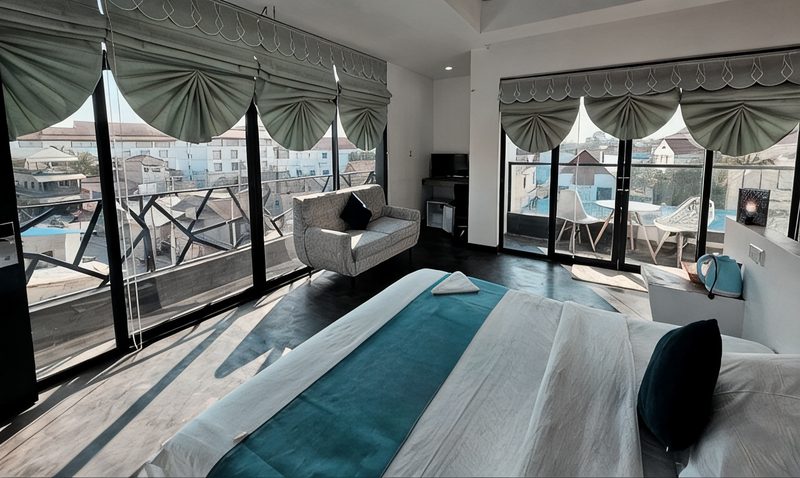
Where to Stay in Siem Reap in October
Hand-picked hotels across price tiers for October travellers.
Public Holidays in October
Dates that affect opening hours, transport and crowds
ពិធីបុណ្យភ្ផុំបិណ្ឌ
Known in English as Pchum Ben. Observed nationwide as a public holiday.
ពិធីបុណ្យភ្ផុំបិណ្ឌ
Known in English as Pchum Ben. Observed nationwide as a public holiday.
ពិធីបុណ្យភ្ផុំបិណ្ឌ
Known in English as Pchum Ben. Observed nationwide as a public holiday.
ព្រះរាជពិធីគោរពព្រះវិញ្ញាណក្ខន្ធព្រះករុណាព្រះបាទសម្ដេចព្រះ នរោត្ដម សីហនុ
Known in English as Commemoration Day of the King's Father. Observed nationwide as a public holiday.
ព្រះរាជពិធីគ្រងព្រះបរមរាជសម្បត្តិរបស់ព្រះករុណាព្រះបាទសម្ដេចព្រះបរមនាថ នរោត្ដម សីហមុនី
Known in English as Coronation Day of King Sihamoni. Observed nationwide as a public holiday.
ពិធីបុណ្យភ្ផុំបិណ្ឌ
Known in English as Pchum Ben. Observed nationwide as a public holiday.
ព្រះរាជពិធីគោរពព្រះវិញ្ញាណក្ខន្ធព្រះករុណាព្រះបាទសម្ដេចព្រះ នរោត្ដម សីហនុ
Known in English as Commemoration Day of the King's Father. Observed nationwide as a public holiday.
ព្រះរាជពិធីគ្រងព្រះបរមរាជសម្បត្តិរបស់ព្រះករុណាព្រះបាទសម្ដេចព្រះបរមនាថ នរោត្ដម សីហមុនី
Known in English as Coronation Day of King Sihamoni. Observed nationwide as a public holiday.
ព្រះរាជពិធីគោរពព្រះវិញ្ញាណក្ខន្ធព្រះករុណាព្រះបាទសម្ដេចព្រះ នរោត្ដម សីហនុ
Known in English as Commemoration Day of the King's Father. Observed nationwide as a public holiday.
ព្រះរាជពិធីគ្រងព្រះបរមរាជសម្បត្តិរបស់ព្រះករុណាព្រះបាទសម្ដេចព្រះបរមនាថ នរោត្ដម សីហមុនី
Known in English as Coronation Day of King Sihamoni. Observed nationwide as a public holiday.
ពិធីបុណ្យអុំទូក បណ្ដែតប្រទីប អកអំបុក និងសំពះព្រះខែ
Known in English as Water Festival. Observed nationwide as a public holiday.
Packing Checklist
Bookmark this page — your progress is saved between visits
Need the full list with shopping links?
Climate-specific gear, brand recommendations, and what to leave at home.
View Siem Reap Packing List →Essential Tips
Insider knowledge and common pitfalls to avoid
Insider Knowledge
Morning is everything in October Siem Reap. Skies typically hold clear until early afternoon, and the rain, when it arrives, tends to hit hardest between 2 PM and 5 PM in sharp, intense bursts that clear within an hour or two. Structure every day around a dawn start, a midday retreat to air conditioning or a cooking class, and an optional late-afternoon return once the storm passes. Locals have been following this rhythm for centuries. Match their schedule, not the guidebook's suggested 9 AM departure.
Siem Reap after dark goes well beyond Pub Street's neon strip and backpacker cocktail bars. Phare, the Cambodian Circus, a cultural institution where graduates of the Phare Ponleu Selpak arts school perform acrobatics, live music, and original theatre under a big top, is the best evening in town and runs year-round including October. The performers tell Cambodian stories with a raw, physical energy that makes Western touring circuses feel sterile by comparison. Book a few days ahead. Even in low season the tent fills because there is honestly nothing else like it in the country.
The three-day Angkor pass pays off disproportionately in October. Spread across mornings, you see the temples in shifting light and weather, from crystalline dawn to post-storm gold, without the physical punishment of cramming everything into one overheated push. The multi-day pass is valid over ten calendar days, so you can skip a rainy morning entirely and still use all three entries. Most first-time visitors buy the one-day pass. They regret it by afternoon when the humidity has broken them.
The flooded rice paddies along the road to Banteay Srei, about 25 kilometres (15.5 miles) northeast of the main Angkor complex, are arguably October's best landscape photography in the entire Siem Reap region. The drive itself becomes the attraction: emerald fields stretching to the horizon, farmers knee-deep in water transplanting seedlings, water buffalo half-submerged and unbothered, and the pink sandstone of Banteay Srei at the end, its carvings so precise they look like wood rather than stone. Go in the first light of morning. Mist sits low over the paddies then, and the colour is at its softest.
Avoid These Mistakes
Trying to cover Angkor Wat, the Bayon, and Ta Prohm in a single day. In dry season this is merely tiring. In October's humidity it is a bad idea. The heat index with 84% moisture makes sustained outdoor exertion draining by mid-morning, and most people who push through lunch end up sitting in a tuk-tuk feeling ill rather than seeing the temples. Two or three temples per morning, then stop. You will see more by seeing less. Trust me.
Arriving at temples without clothes that cover knees and shoulders, then getting turned away at the entrance. The dress code at Angkor Wat and other major temples is enforced year-round, and the vendors selling cover-ups near the gate know exactly how much use they have over someone who drove 20 minutes to get there. Pack appropriate clothing before you leave your room. A light long-sleeved shirt doubles as sun protection. Plan ahead.
Dismissing Tonle Sap as an overrated tourist boat ride. The dry-season version, with low water exposing mudflats and rubbish, earns that reputation. October's Tonle Sap is a different body of water entirely: vast, deep, and alive with fishing communities operating at full capacity in the highest water of the year. Skipping it because of a review someone wrote in February means missing one of mainland Southeast Asia's most distinctive landscapes at its most dramatic moment. Don't make that mistake.
Short on time? See day trips around Siem Reap on GetYourGuide.
Ready to plan your trip to Siem Reap?
Now that you've got the research covered, here's where to go next.
Explore More Activities in Siem Reap
Didn't see anything interesting yet?
Browse Viator's full catalog of tours, day trips, food experiences, and private guides in Siem Reap.
See All Siem Reap Tours on Viator